Mom Stanley Topper Laser Cut Tumbler Review
As a designer who constantly bridges the gap between digital files and tangible, stitched goods, I approach every new asset with a healthy dose of skepticism. When I first opened the Mom Stanley Topper Laser Cut Tumbler file, my immediate thought wasn't about the tumbler itself, but about how this aesthetic translates to needle and thread. We are currently seeing a massive surge in "Sport Mom" culture, and while this product is marketed for laser cutting acrylic tags, its bold, varsity-inspired geometry makes it a fascinating candidate for machine embroidery adaptation. For Etsy sellers and small shop owners looking to capitalize on the Mother’s Day rush or back-to-school sports seasons, understanding how to repurpose this laser-cut style into a durable embroidered patch or sweatshirt design is where the real value lies.
Translating Acrylic Aesthetics to Stitch Logic
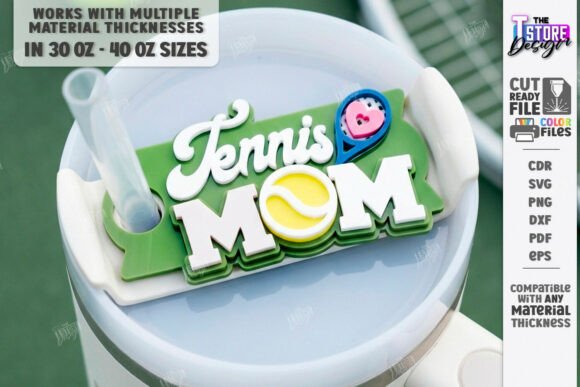
The visual personality of the Mom Stanley Topper Laser Cut Tumbler design is unapologetically bold. It features clean lines, athletic motifs like footballs or basketballs, and space for personalization. In the laser cutting world, these shapes rely on the rigidity of acrylic. In embroidery, we have to recreate that structural integrity using stitch density and stabilizer. When I evaluated this as a potential applique design, I noticed that the outer edges are perfect for a satin stitch border, which mimics the smooth, finished edge of a laser-cut tag. However, the internal details—like the laces on a football or the seams on a volleyball—require careful consideration.
If you are planning to use this as a digital embroidery file for custom apparel, you cannot simply treat it like a vector graphic. The design demands a balance between fill stitch areas for the background and running stitch elements for texture. For a recent client project involving a team mom tote bag, I adapted a similar sport-themed layout. The key was ensuring the name plate section had enough open space for legible lettering without becoming too dense. If the stitch count gets too high in that personalized area, the fabric puckers, and you lose that crisp, professional look that customers associate with high-end boutique products. This design works best when you respect the hierarchy of stitches: sturdy borders first, stable fills second, and delicate details last.
Real-World Application: The Team Mom Tote Bag Test
To truly judge the viability of the Mom Stanley Topper Laser Cut Tumbler concept for embroidery, I applied it to a canvas tote bag intended for a local youth soccer league coordinator. This is a classic handmade product scenario where durability meets sentimentality. The goal was to create a personalized gift that felt premium, not like a cheap iron-on transfer. Using the design as an embroidered patch allowed me to control the tension completely before attaching it to the bag.
During the stitching process, I found that the sport-specific icons needed slight modification for thread. While a laser cutter handles tiny interior cutouts effortlessly, an embroidery machine can struggle with negative space inside a satin stitch column if the hoop size isn't managed correctly. I opted to use a tear-away stabilizer backed with a fusible web for the applique layers. This ensured the football and basketball shapes remained rigid, replicating the hard-edge look of the original laser cut accessory. The result was a textured, dimensional emblem that stood up to the wear and tear of carrying water bottles and clipboards. For craft business owners, this translation from "tumbler topper" to "bag emblem" expands your product line significantly without requiring new design assets.
Navigating Fabric Variables and Hoop Limitations
While the Mom Stanley Topper Laser Cut Tumbler design is versatile, it requires caution depending on your substrate. This aesthetic relies on precision; sloppy registration ruins the varsity illusion. On stretchy fabrics like performance tees or lightweight knits, the dense satin stitches required to mimic the laser-cut edge can cause tunneling. If you are producing baby embroidery items or lightweight summer apparel, you must use a high-quality cut-away stabilizer and potentially reduce the stitch density in the fill areas.
Dark fabrics present another challenge. The design likely assumes a certain contrast ratio typical of clear or white acrylic. When stitching on navy or black sweatshirts, you may need to add a white underlay or adjust your thread colors to maintain visibility. Additionally, be mindful of small hoop sizes. If you are downsizing this design to fit a 4x4 hoop for a pocket logo or a hat, verify that the text remains readable. Tiny lettering often gets lost or causes thread breaks when scaled down too aggressively. Always test on scrap fabric that matches your final project's weight and texture before committing to a commercial embroidery run. This step saves time, thread, and the reputation of your finished product.
Designer Notes for Commercial Success
For those selling digital embroidery files or finished goods based on this trend, professionalism is paramount. Here are practical considerations derived from testing this style:
- Verify Licensing: Before listing any finished product or digital asset, confirm the license terms for the Mom Stanley Topper Laser Cut Tumbler source file. Ensure you have commercial rights for both physical sales and digital redistribution if applicable.
- Mockup Accuracy: When creating printable mockups for your Etsy listings, do not just overlay the vector art. Use actual stitch simulations or photos of test runs. Customers need to see how the satin stitch interacts with the fabric texture to trust the quality.
- Thread Color Contrast: Test the design in both monochrome and multi-color variations. Sport moms often want team colors, so offering customizable thread charts adds value to your service.
- Stabilizer Selection: Document which stabilizer worked best for your specific application. Sharing this tip in your product description builds authority and reduces customer support questions regarding puckering.
- Detail Inspection: Zoom in at 100% in your embroidery software. Check for overlapping stitches in the corners of the name plate. Clean jump stitches and optimized pathing distinguish a professional digitizer from an amateur auto-digitize job.
Elevating Brand Value Through Adaptation
Ultimately, the Mom Stanley Topper Laser Cut Tumbler represents more than just a trendy accessory; it is a blueprint for current market desires. By adapting this laser cutting aesthetic into machine embroidery, you tap into the personalized gift market with a fresh, modern look. Whether you are creating holiday embroidery for grandma or commercial embroidery for a booster club, the success lies in respecting the medium. Embroidery has its own rules of physics that differ from laser cutting. When you honor those rules while maintaining the bold, celebratory spirit of the original design, you create products that resonate emotionally and perform physically. Take the time to test, refine, and validate your adaptations, and your work will stand out in a crowded marketplace of generic sport gear.