Softball Mom Retro PNG Leopard Print Review
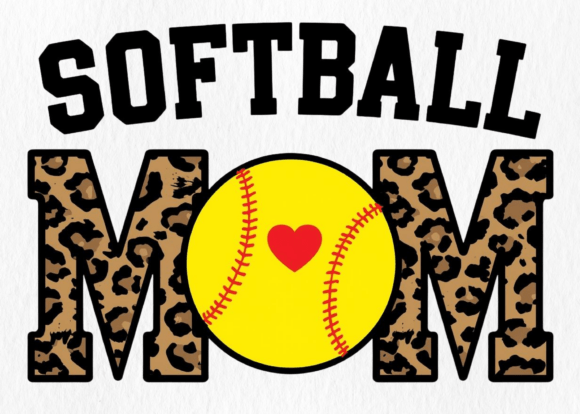
As a designer who spends as much time behind an embroidery machine as I do at a computer screen, I approach every new graphic asset with a specific question: will this actually stitch out well? When evaluating the Softball Mom Retro PNG Leopard Print, my immediate focus is on how this trendy aesthetic translates from a digital screen to a tangible, textured finished product. This design captures a very specific niche energy that is currently dominating the craft business and youth sports apparel market. It balances nostalgic retro typography with the enduring popularity of leopard print, creating a visual hook that appeals directly to team moms and boutique shoppers alike.
The first impression of this artwork is vibrant and confident. The layout suggests a bold center chest placement or a substantial back print on custom apparel. Visually, the retro font style paired with the organic shapes of the leopard pattern creates a dynamic contrast. For an Etsy seller or small shop owner, this combination is gold because it feels current yet timeless enough to sell throughout an entire season. However, as we move from admiration to production, we have to consider how these elements interact with needle and thread.
Translating Graphics to Stitched Reality
While this asset is marketed heavily for POD sites and sublimation, its potential as a foundation for a machine embroidery design is significant, provided you understand the conversion process. The high-resolution 4500×5400 PNG at 300 dpi offers excellent clarity for digitizing software. When I look at the leopard spots, I am not seeing simple fill stitches; I am seeing an opportunity for texture. In a real-world scenario, such as creating a custom sweatshirt embroidery piece for a client, I would treat the leopard areas as either appliqué sections or complex tatami fills with varying stitch angles to mimic the fur's natural flow.
The retro lettering in the Softball Mom Retro PNG Leopard Print likely features distressed edges or vintage wear. In embroidery, we cannot simply stitch "distress" without risking structural integrity. A skilled digitizer must decide whether to clean up those edges for a crisp satin stitch border or use a specialized running stitch technique to simulate the worn look without compromising durability. This decision directly impacts the perceived value of the handmade product. If the letters are too thin after cleaning up the jagged digital edges, they may disappear into the fabric. Conversely, if left too raw, the stitches may pull out during washing.
Real-World Application: The Team Tote Bag Test
To truly evaluate this design, let’s imagine a practical project: a personalized canvas tote bag design intended for softball team gifts. Canvas is a forgiving but coarse fabric. Using this graphic as a guide, I would resize the design to fit a 5x7 hoop, which is standard for tote bags. The leopard print serves as an excellent backdrop for personalization, perhaps adding individual player names or numbers below the main graphic.
In this application, the stitch density becomes critical. Canvas requires a sturdy foundation. If I were to digitize the entire leopard background as a solid fill, the bag would become stiff and bulletproof. Instead, I would utilize the SVG file included in the zip to separate the layers. I might stitch only the outline of the leopard spots or use a lighter density fill to maintain the drape of the bag. The retro text would be prioritized with high-contrast thread colors to ensure readability against the busy animal print background. This strategic adaptation turns a flat graphic into a premium embroidery project that parents actually want to carry.
Navigating Fabric Challenges and Hoop Limitations
Not every surface is friendly to this specific aesthetic. The Softball Mom Retro PNG Leopard Print demands careful consideration when applied to performance wear or stretchy knits commonly used in sports uniforms. The density required to render detailed leopard spots can cause puckering on lightweight polyester. In these cases, using a cutaway stabilizer is non-negotiable. You may also need to simplify the design, removing smaller spots or increasing the minimum stitch length to prevent needle perforation issues.
Small hoop size limitations also pose a challenge. If you are attempting to fit this design onto a baby onesie or a cap, the intricate details of the retro font and the leopard pattern will likely merge into a muddy blob. For baby embroidery or caps, I strongly advise extracting just one element—perhaps a single stylized softball with a leopard accent—rather than forcing the full composition. Respecting the physical limits of your equipment ensures the personalized gift looks professional rather than amateurish.
Commercial Viability and Brand Consistency
For those running a commercial embroidery business or selling on Etsy, consistency builds trust. This design asset supports a cohesive brand identity across multiple products. Because the package includes PDF and SVG files alongside the raster images, you can create matching printable mockups for your listings that perfectly align with your stitched samples. This alignment between digital preview and physical reality reduces customer returns and increases buyer confidence.
However, always verify your licensing. While the description mentions use on POD sites and various merchandise, confirm whether the license extends to selling the digitized embroidery file itself versus selling the physical embroidered item. Most licenses cover the latter but prohibit reselling the converted digital assets. Understanding this distinction protects your business and respects the original artist's work. Additionally, test your color palette on both light and dark fabrics. Leopard print often relies on three distinct tones; ensure your thread colors provide enough separation so the pattern reads clearly from a distance.
Essential Pre-Production Checklist
Before committing this design to a final product, run through this practical evaluation list:
- Test on Scrap Fabric: Never stitch the full design on a final garment first. Use a scrap of the exact material and stabilizer combination you plan to use to check for registration issues and density problems.
- Check Thread Contrast: View your thread selection in natural light. Retro aesthetics often use muted tones, but embroidery needs saturation to pop against the leopard texture.
- Evaluate Small Details: Zoom in on the digitized version. Are there any jump stitches crossing over open spaces? Is the text legible at your intended size?
- Confirm Hoop Compatibility: Measure the design dimensions in your software. Ensure it fits your largest available hoop with adequate margin for the presser foot.
- Wash Test: If making items for frequent use like towels or uniforms, wash and dry the sample to ensure the dense leopard areas do not distort the surrounding fabric.
Final Thoughts for Makers and Sellers
The Softball Mom Retro PNG Leopard Print is more than just a trendy graphic; it is a versatile asset that bridges the gap between digital design and tactile craftsmanship. Whether you are creating holiday embroidery gifts for coaches, stocking your shop with team spirit wear, or designing a unique embroidered patch, success lies in respecting the medium. By thoughtfully adapting the artwork for stitch, choosing appropriate materials, and maintaining high production standards, you transform a simple PNG into a cherished keepsake. Remember, in the world of handmade goods, the quality of your execution speaks louder than the trendiness of the design. Take the time to digitize with intention, and your customers will recognize the difference in every stitch.