Reviewing the Special Autism Mom Love Design
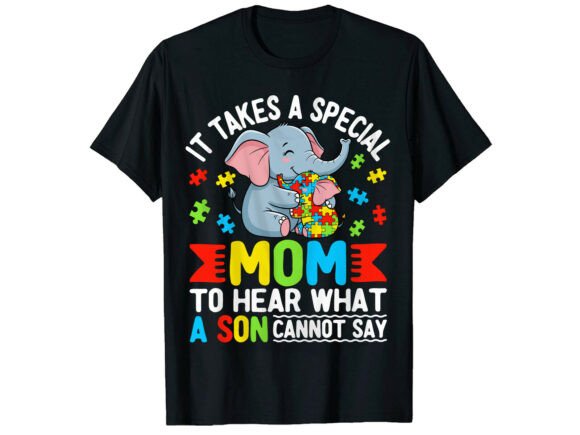
When evaluating a new machine embroidery design for my shop, I look beyond the digital preview. As an experienced designer and product reviewer, my primary concern is how the artwork translates from screen to fabric. The Special Autism Mom Love Autism T-Shirt graphic presents a vibrant puzzle piece theme intended to show support for neurodiversity. While originally categorized under T-Shirt Designs and Graphics, this motif holds significant potential for the embroidery community. However, translating complex awareness symbols into thread requires careful technical consideration. This review breaks down the practical realities of stitching this design for real-world projects, ensuring your finished product meets professional standards.
First Impressions and Emotional Resonance
My initial assessment of the Special Autism Mom Love Autism T-Shirt design focuses on its visual personality. The layout feels balanced, with the puzzle pieces serving as a strong focal point without overwhelming the accompanying text. For an embroidery project, this balance is critical. Designs that are too top-heavy or cluttered often lose definition once stitched. This particular graphic strikes a mood that is both celebratory and respectful, making it suitable for a wide range of applications beyond standard apparel.
The color palette suggested in the original graphics file is vibrant, which translates well to thread selection. However, as any seasoned embroiderer knows, screen colors do not always match physical thread charts. When preparing this as a digital embroidery file, you must verify that your chosen thread colors maintain sufficient contrast against your target fabric. The emotional weight of this design demands high-quality execution; a muddy or poorly contrasted stitch-out can unintentionally diminish the message of support and awareness.
Real-World Application: Stitching a Custom Sweatshirt
To truly test the viability of the Special Autism Mom Love Autism T-Shirt design, I recently prepared a custom crewneck sweatshirt for a client’s boutique launch. Sweatshirts present unique challenges due to their fleece backing and stretchy knit structure. Unlike a stable woven cotton used for a tote bag design, fleece requires precise stabilization to prevent puckering.
During this test run, I found that the design’s puzzle elements worked beautifully as a combination of fill stitch and satin stitch borders. The satin outlines provided necessary definition against the textured fleece, while the fill areas remained light enough to avoid creating a "bulletproof" patch effect. This is crucial for sweatshirt embroidery, where excessive density can make the garment stiff and uncomfortable. If you are adapting this graphic for heavier garments, consider reducing the density of the internal fills or converting solid areas to applique design techniques to maintain fabric drape and wearer comfort.
For those running a craft business or selling on Etsy, this versatility is a major asset. The same core artwork that works on a sweatshirt can be resized for a baby onesie or a nursery pillow cover, provided you adjust the stitch parameters accordingly. Seeing the design successfully transition from a digital concept to a tangible, high-quality handmade product confirmed its value for commercial embroidery ventures.
Navigating Fabric Limitations and Hoop Constraints
While the Special Autism Mom Love Autism T-Shirt graphic is adaptable, it is not universally forgiving. There are specific scenarios where caution is required. Small hoop sizes are the first red flag. Puzzle pieces often contain intricate interlocking lines and small text elements. Reducing this design below a certain threshold risks losing detail, resulting in thread breaks or illegible lettering. Always confirm the minimum safe size before listing a product in your small shop.
Fabric texture also dictates success. On highly textured surfaces like terry cloth towels or chunky knits, the fine details of the puzzle theme may get lost. In these cases, using a water-soluble topping is non-negotiable to keep stitches visible. Conversely, on thin or sheer fabrics, the stitch density might cause tearing. I recommend testing on scrap fabric identical to your final project material. If you are creating an embroidered patch rather than direct-to-garment embroidery, ensure your backing stabilizer is heavy enough to support the design's complexity without warping.
Dark fabrics present another challenge. Vibrant puzzle pieces rely on color differentiation. On black or navy garments, you may need to add a white underlay or outline to make the colors pop. Without this step, the design can disappear into the background, reducing the visual impact essential for awareness merchandise. Always compare light and dark fabric backgrounds during your digitizing or editing phase to ensure readability.
Professional Standards and Commercial Viability
For Etsy sellers and apparel decorators, the professionalism of your stitch-out directly impacts customer trust and perceived value. A clean, crisp rendition of the Special Autism Mom Love Autism T-Shirt design signals quality. Buyers looking for personalized gifts or awareness items are often emotionally invested; they notice skipped stitches, poor registration, or tension issues immediately.
This design also serves as excellent content for printable mockups and digital product previews. Because the graphic has clear lines and recognizable symbolism, it photographs well. High-quality photos of the actual stitched sample, rather than just digital renders, significantly boost buyer engagement. When marketing this as part of your design assets or finished product line, highlight the care taken in stabilization and thread selection. This transparency builds brand consistency and reassures customers that they are purchasing a durable, well-made item.
Essential Technical Checklist for Makers
Before you load this embroidery file into your machine for a production run, adhere to this practical checklist. These steps separate hobbyist results from professional-grade output:
- Verify Licensing: Confirm whether your purchase includes commercial rights for selling finished products or if it is limited to personal use. Never assume licensing terms based on the category alone.
- Test Stitch Density: Run a sample on scrap fabric to check for stiffness. Adjust pull compensation if gaps appear between the puzzle pieces and text after washing.
- Check Thread Contrast: View your thread choices in natural lighting. Ensure the puzzle colors remain distinct from one another and the background fabric.
- Stabilizer Selection: Match your stabilizer to the fabric weight. Use cut-away for stretchy knits and tear-away for stable wovens. Do not skip topping for textured materials.
- Inspect Small Details: Zoom in on the embroidery file to identify any tiny text or narrow satin columns that may need editing for smaller hoop sizes.
- Wash Test: If creating baby embroidery or items requiring frequent laundering, wash and dry your test swatch to ensure the design holds up without distorting the garment.
Final Thoughts on Design Adaptation
The Special Autism Mom Love Autism T-Shirt graphic offers a meaningful opportunity for makers to create supportive, awareness-focused goods. Its strength lies in its clear symbolism and adaptable layout, but its success depends entirely on technical execution. Whether you are stitching a holiday gift, a boutique exclusive, or a personalized keepsake, treat the digitized version with the same respect as the original artwork.
Remember that every machine and fabric combination behaves differently. What works for a cap may fail on a silk blouse. By approaching this design with a critical eye toward stitch density, stabilization, and end-use functionality, you elevate your work from simple decoration to professional craftsmanship. Take the time to test, adjust, and refine. Your customers, and the community you are supporting, deserve nothing less than your best work.