Mom Raising Heroes Autism T-Shirt: An Embroidery Review
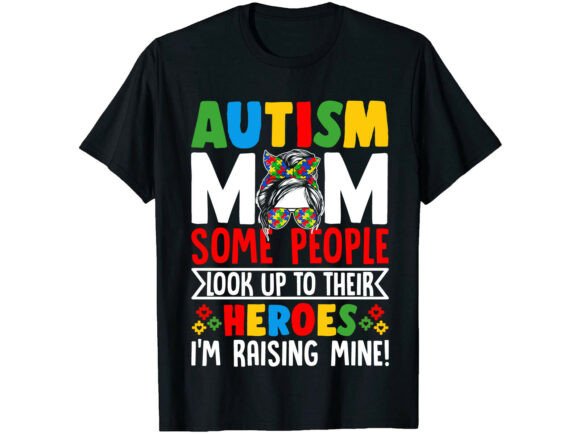
When evaluating a new machine embroidery design for my shop, I look beyond the digital preview. As an experienced designer and product reviewer, my primary concern is always how the file translates from screen to fabric. The Mom Raising Heroes Autism T-Shirt design immediately caught my attention not just for its message, but for its potential as a versatile asset in the T-Shirt Designs category. This meaningful Autism Awareness concept features a powerful and heartwarming theme created to spread love, acceptance, and understanding. However, for those of us running a craft business or managing commercial orders, the emotional resonance must be matched by technical viability. After reviewing the layout and intended application, here is my practical assessment of how this embroidery file performs in real-world production scenarios.
First Impressions and Emotional Resonance
The visual personality of the Mom Raising Heroes Autism T-Shirt design strikes a careful balance between advocacy and warmth. In the world of Graphics for awareness, designs can sometimes feel clinical or overly aggressive. This artwork, however, leans into a supportive, nurturing aesthetic that resonates deeply with parents and caregivers. For an Etsy seller or boutique owner, this mood is crucial. Customers buying custom apparel for autism awareness are often seeking validation and community, not just a logo. The layout suggests a centered, balanced composition that would serve as an excellent focal point on a garment without overwhelming the wearer. It feels like a design meant to be worn with pride, which significantly increases the perceived value of any handmade product you create with it.
Real-World Application: The Sweatshirt Test
To truly judge this design, I mentally placed it in a specific production scenario: creating a premium crewneck sweatshirt for a fall fundraiser. While marketed as a t-shirt design, the weight and structure of a sweatshirt often provide a better canvas for detailed sweatshirt embroidery. In this context, the Mom Raising Heroes Autism T-Shirt design shines as a center-chest placement. The concept allows for a mix of stitch types that add texture and dimension. If the design includes text elements, they likely utilize a clean satin stitch or a legible font style that remains readable from a conversational distance. For the graphic elements, a combination of fill stitch and running stitch details would prevent the design from becoming too dense or bulletproof on fleece fabrics.
This specific use case highlights why checking your stitch density is vital. On a sweatshirt, you have more forgiveness than on a lightweight tee, allowing for richer coverage. However, if you were adapting this for a tote bag design, the same density might cause puckering on unstructured canvas. The versatility of this artwork lies in its ability to scale, provided you adjust your stabilizer strategy accordingly. For my hypothetical fundraiser sweatshirt, using a medium-weight cut-away stabilizer would ensure the design lays flat and maintains its integrity after repeated washing, preserving the professional finish that customers expect from a small shop product.
Navigating Fabric Challenges and Technical Limits
While the Mom Raising Heroes Autism T-Shirt design is robust, every embroidery project has its constraints. You must approach certain substrates with caution. If you plan to stitch this on performance wear or stretchy tri-blend tees, the risk of distortion increases. These fabrics move under the needle, and if the design has intricate corners or small lettering, they may get lost or pull unevenly. In these cases, I strongly recommend testing on scrap fabric first. Use a high-quality tear-away or water-soluble topping to keep the stitches crisp and prevent them from sinking into the knit texture.
Dark fabrics present another consideration. Autism awareness designs often utilize specific color palettes, including blues, reds, or golds depending on the specific awareness campaign represented. When stitching on black or navy garments, ensure your thread colors have sufficient contrast. A dark blue fill stitch on a black shirt will disappear, diminishing the impact of the message. You may need to add a white underlay or adjust the colorway to maintain visibility. Additionally, be mindful of hoop size limitations. If you are working with smaller hoops (4x4), verify that the design scales down without compromising the legibility of any text or the clarity of fine details. Tiny lettering is often the first casualty of resizing, so always inspect the smallest elements before committing to a full production run.
Commercial Viability and Product Expansion
For creative entrepreneurs, a single digital embroidery file should offer multiple revenue streams. Beyond standard apparel, consider how the Mom Raising Heroes Autism T-Shirt design adapts to other merchandise. Could it work as an embroidered patch? Absolutely. By adding a merrowed edge or a satin border, this design could become a standalone accessory for backpacks or jackets, appealing to customers who prefer not to buy a full garment. Similarly, think about baby embroidery or nursery decor. The "raising heroes" theme translates beautifully to onesies, bibs, or pillow covers, expanding your target demographic to grandparents and extended family members looking for a personalized gift.
However, expansion requires diligence. Before listing any finished product for sale, confirm the licensing terms associated with this design. Ensure you have the right to sell physical items embroidered with this file, especially if you operate a high-volume commercial embroidery business. Also, consider your presentation. High-quality printable mockups are essential for online sales. Show the design on various garment colors and styles to help buyers visualize the final result. This builds customer trust and reduces return rates caused by unmet expectations regarding size or color placement.
Designer Notes for Optimal Results
To ensure your projects using the Mom Raising Heroes Autism T-Shirt design meet professional standards, adhere to these practical guidelines:
- Test Stitch Always: Never skip the test run. Verify registration, tension, and color accuracy on the actual fabric you intend to use.
- Stabilizer Selection: Match your stabilizer to the fabric weight. Knits require cut-away; wovens can often use tear-away. Toppings are non-negotiable for textured fabrics like fleece or terry cloth.
- Color Contrast Check: View your thread palette in natural light. Digital screens can be deceiving. Ensure the awareness colors pop against the chosen garment base.
- Resize with Care: If the design needs to fit a different hoop size, do so within your digitizing software rather than relying solely on machine resizing. Recalculate stitch counts to maintain proper density.
- Mockup Verification: Test your design in both black and white and full-color mockups to ensure it reads well in grayscale for social media marketing.
- Licensing Compliance: Double-check that your purchase includes commercial rights for the specific volume and type of sales you intend to conduct.
Final Thoughts on Value and Impact
The Mom Raising Heroes Autism T-Shirt design offers more than just a pretty picture; it provides a vehicle for connection and advocacy through needle and thread. Its strength lies in its emotional clarity and adaptability across various design assets. Whether you are creating a holiday gift for a support group, stocking your Etsy shop with awareness apparel, or fulfilling a custom order for a local nonprofit, this design holds up technically and aesthetically. By respecting the nuances of fabric texture, maintaining proper stabilization, and presenting your work professionally, you transform a digital file into a tangible symbol of support. For the maker who values both craftsmanship and meaning, this design is a worthy addition to your library, capable of producing finished goods that honor the journey of raising heroes while showcasing your dedication to quality embroidery.