Hot Mess Mom Messy Bun PNG: An Embroidery Review
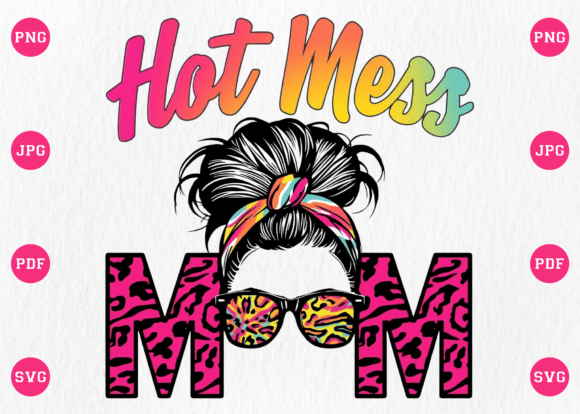
As a designer who spends more time behind an embroidery machine than a computer screen, I approach every new graphic with a specific question: will this actually stitch out well? When evaluating the Hot Mess Mom Messy Bun PNG Sublimation design, my first impression is that it captures a very specific, relatable cultural moment. The aesthetic is intentionally chaotic yet styled, featuring the iconic messy bun silhouette that has become a staple in mom-centric merchandise. Visually, the artwork balances humor with a trendy, boutique feel. However, as any experienced embroiderer knows, a beautiful raster image does not automatically translate to a clean machine embroidery design. This review breaks down how this graphic performs when moving from digital file to physical thread, specifically for those of us running a craft business or managing custom orders.
Translating High-Res Graphics to Stitch Logic
The provided files include high-resolution JPG and PNG assets at 4500×5400 pixels and 300 dpi, along with SVG and PDF formats. While these specifications are perfect for sublimation and print-on-demand sites, they require careful interpretation for embroidery. The "messy" nature of the bun presents a unique digitizing challenge. In sublimation, stray hairs and shading create depth; in embroidery, those same details can turn into a dense, bulletproof patch of thread if not managed correctly.
When converting this digital embroidery file, I look closely at the separation between the hair texture and the background. For a successful sweatshirt embroidery project, you cannot simply auto-digitize this graphic. The irregular edges of the messy bun work best as an applique design rather than a full fill stitch. Using fabric for the bun itself reduces stitch density significantly, preventing the garment from becoming stiff or distorting during washing. If you choose to stitch it out entirely, consider using a textured fill stitch like a bean stitch or stipple to mimic the hair’s volume without laying down excessive layers of polyester or rayon.
Real-World Application: The Custom Tote Bag Test
To truly evaluate this design's commercial viability, I mentally placed it on a canvas tote bag design intended for a local mom’s group fundraiser. Totes are fantastic sellers, but they are unforgiving. Canvas has a distinct weave, and if your thread colors don’t contrast enough against the natural fabric, the "hot mess" detail gets lost.
In this scenario, the Hot Mess Mom Messy Bun PNG Sublimation graphic serves as an excellent center chest or front-panel focal point. However, because tote bags lack stretch, stabilization is critical. I would recommend a heavy cut-away stabilizer to support the weight of the design, especially if you are retaining the original shading details through thread. For the text portion often associated with this style, ensure the font size remains legible. Tiny lettering is the enemy of production efficiency. If the text in the source graphic is too ornate, replace it with a bold, sans-serif block font that reads clearly from a distance. This adjustment maintains the design's personality while ensuring the finished product looks professional rather than muddy.
Navigating Fabric Textures and Hoop Limitations
This design category, typically listed under T-Shirt Designs and Graphics, implies versatility, but fabric choice dictates success. On smooth cotton jersey, the design will shine. On textured fabrics like linen or terry cloth (common for tea towels and baby items), the fine details of the messy bun may sink into the weave. For these surfaces, use a water-soluble topping to keep the stitches sitting on top of the fabric pile.
Hoop size is another practical constraint. The aspect ratio of 4500×5400 suggests a portrait orientation. Before purchasing or digitizing, verify that your machine can accommodate this vertical footprint. If you are working with smaller hoops for baby embroidery or sleeve placements, you will need to crop or rearrange the elements. Separating the bun from the text allows for greater flexibility. You might place the bun on the left chest and the text on the back neck, creating a higher-perceived value custom apparel piece that utilizes multiple hooping positions effectively.
Commercial Viability for Etsy Sellers and Makers
For the Etsy seller or small shop owner, this design taps into a proven niche. "Hot Mess Mom" merchandise sells because it validates the customer's experience with humor. However, market saturation means your execution must be superior. A poorly digitized version of this popular theme will result in returns and negative reviews. Customers trust sellers who understand that embroidery project quality matters more than just having a trendy graphic.
When listing this as a personalized gift option, emphasize the customization potential. Can you add a name below the bun? Can you change the hair color to match the recipient? These modifications transform a generic design asset into a bespoke item. Furthermore, always double-check licensing. Just because you bought the PNG doesn't guarantee you have the rights to sell the digitized embroidery file itself versus selling the physical embroidered goods. Clarifying this protects your business and builds buyer engagement through transparency.
Essential Designer Notes for Production Success
Before committing this Hot Mess Mom Messy Bun PNG Sublimation to a final product, follow these practical steps to ensure quality:
- Test on Scrap Fabric First: Never run a new digitization directly on a client’s garment. Use a scrap of the exact material and stabilizer combination you plan to use for the final order.
- Check Thread Color Contrast: View your thread palette in natural light. What looks good on a monitor may vanish on dark navy sweatshirts. Adjust underlay or outline colors if necessary.
- Review Stitch Density: Aim for coverage without bulk. If the design feels like armor, reduce the density or switch to applique methods.
- Inspect Small Details: Zoom in on the digitized file. Are the stray hairs represented by single running stitches? These often break or get buried. Consider removing microscopic details that won't render well in thread.
- Mockup Testing: Create black and white mockups to test value contrast independent of color. If the design isn't readable in grayscale, it needs more definition.
- Stabilizer Selection: Match the stabilizer to the fabric weight and design density. Stretchy knits require cut-away; woven cottons may suffice with tear-away, but cut-away offers better long-term durability for washable items.
- Licensing Confirmation: Verify whether your purchase includes commercial rights for finished products versus digital redistribution. This distinction is vital for commercial embroidery operations.
Final Thoughts on Design Integrity
The Hot Mess Mom Messy Bun PNG Sublimation is a culturally relevant and commercially viable graphic, but its success in embroidery relies entirely on technical adaptation. It is not a plug-and-play solution; it is a starting point for creative digitizing. By respecting the limitations of thread and fabric, and by prioritizing clean stitch-outs over pixel-perfect replication, you can turn this popular graphic into a high-quality handmade product that customers love. Whether you are making holiday embroidery gifts for friends or stocking your online store with best-sellers, remember that in our industry, the tactile quality of the stitch is what ultimately defines the brand. Treat this design with the technical scrutiny it deserves, and it will serve as a reliable asset in your creative toolkit.