Classy Mom Life Sunflower Bun Design Review
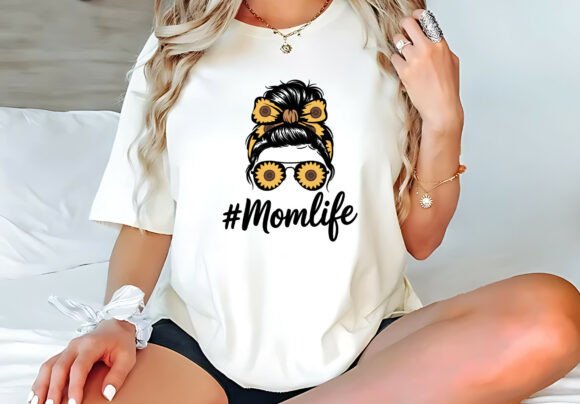
As a designer who spends more time behind an embroidery machine than a computer screen, I approach every new graphic with a specific question: will this actually stitch out well on real fabric? When evaluating the Classy Mom Life with Sunflower Messy Bun design, my first impression is that it captures a very specific, high-demand aesthetic for modern motherhood merchandise. The layout balances the organic, slightly chaotic energy of a messy bun and sunflowers with structured typography that reads clearly from a distance. For those of us creating custom apparel or managing an Etsy shop, this balance is critical. It avoids looking too rigid while maintaining enough definition to survive the translation from digital graphics to physical thread.
Translating Vector Graphics to Stitched Reality
The product description highlights that this is a 100% editable file available in AI, EPS, SVG, and PNG formats. While these are primarily vector and raster formats intended for print, they serve as excellent source material for digitizing a custom machine embroidery design. However, having an editable vector does not automatically mean it is stitch-ready. As an experienced reviewer, I look at the line weight and negative space in the Classy Mom Life with Sunflower Messy Bun artwork to predict how it will behave under tension.
The sunflower elements likely require a combination of fill stitch for the petals and satin stitch for the center details. In a real-world scenario, such as preparing a sweatshirt for a fall boutique collection, the transition between these stitch types must be smooth. If the original graphic has extremely thin lines for the flower stems or hair strands, you will need to verify if they can support a running stitch without breaking or disappearing into the fabric texture. The "messy bun" detail is particularly tricky; it relies on visual flow rather than solid blocks of color. When digitizing or modifying this design asset, ensure the hair texture uses directional stitching that mimics natural movement rather than a flat fill, which can make the embroidery look stiff and unappealing on a finished product.
Real-World Application: The Sweatshirt Test
To truly judge the viability of this T-shirt design for embroidery, I mentally place it on a heavyweight cotton fleece sweatshirt, which is currently the gold standard for mom-life merchandise. This garment presents specific challenges due to its loft and stretch. The Classy Mom Life with Sunflower Messy Bun design has a vertical orientation that works beautifully on the chest or back of a hoodie, but placement matters.
If I were producing this for a client gift or small shop inventory, I would avoid placing the design too close to the kangaroo pocket or side seams. The density of the sunflower blooms combined with the text requires adequate stabilization. On a plush fleece, using a heavy-weight cutaway stabilizer is non-negotiable to prevent the design from sinking into the fabric nap. The "Classy Mom Life" text needs to remain legible against the textured background. If the font in the source file is too delicate, I would recommend thickening the stroke width during the digitizing process to ensure the satin stitch has enough surface area to anchor properly. This practical adjustment separates a professional handmade product from one that looks like a hobbyist experiment.
Fabric Limitations and Hoop Size Considerations
While this design shines on stable knits and fleece, caution is required for lighter substrates. I would hesitate to use the full-size version of Classy Mom Life with Sunflower Messy Bun on thin baby onesies or lightweight summer tees without significant modification. The stitch count required to render the floral details and bun texture could create a bulletproof patch effect that drags down delicate fabric. For baby embroidery or toddler apparel, consider isolating just the sunflower or resizing the entire composition to fit a smaller hoop size, reducing the overall density.
Furthermore, curved surfaces like caps present a different set of rules. The vertical stacking of the messy bun and text may distort on the curved brim of a hat. If you intend to use this design asset for headwear, test it on a cap frame first. You may need to adjust the push-pull compensation significantly, as the curve of the hat will pull the horizontal elements of the text apart while compressing the vertical floral elements. Always run a sew-out on scrap fabric that matches your final project’s weight and weave before committing to commercial embroidery production.
Color Strategy and Thread Selection
One of the major advantages of receiving editable files is the ability to customize color palettes. The Classy Mom Life with Sunflower Messy Bun theme naturally leans toward warm yellows, browns, and neutrals, but market trends shift. For a holiday embroidery release, swapping traditional sunflower yellow for deep burgundy or forest green can extend the design's shelf life. However, when changing thread colors, always check contrast ratios.
Dark fabrics require special attention. If stitching white or light-colored text on a navy sweatshirt, the underlying fabric may show through if the stitch density is too low. Conversely, dark thread on dark fabric creates a subtle, tonal look that feels premium but reduces readability. Before listing a personalized gift in your shop, create printable mockups in both light and dark variations to see which offers better visual impact. Remember that thread sheen affects perception; a matte rayon might blend too much into a cotton tee, while a polyester or metallic accent in the sunflower centers could add necessary dimension and perceived value.
Commercial Viability and Professional Presentation
For Etsy sellers and creative entrepreneurs, the versatility of this design is its strongest selling point. Because it includes AI and EPS files, you have the freedom to separate elements. You could use the full Classy Mom Life with Sunflower Messy Bun composition for adult apparel, extract the sunflower alone for an embroidered patch or tea towel, and use the typography independently for tote bag branding. This modularity maximizes your return on investment for the design assets.
However, professionalism lies in execution. Never assume a digital file is perfect for every machine. Verify licensing terms explicitly regarding commercial embroidery use versus digital resale. Just because a file is editable does not always grant permission to sell the digitized embroidery file itself; often, licenses cover only finished physical products. Protect your craft business by confirming these details. Additionally, when photographing your finished product for listings, ensure the lighting captures the texture of the stitches. Flat, overexposed photos hide the quality of your work. Customers trust sellers who show the tangible reality of the embroidery, including how the design sits on the fabric and how the colors interact in natural light.
Final Designer Notes for Success
- Test Before Selling: Always stitch out Classy Mom Life with Sunflower Messy Bun on the exact fabric you plan to sell. A design that looks perfect on screen may have registration issues on pique knit or ribbed cotton.
- Stabilizer is Key: Match your stabilizer to the fabric stretch. Use cutaway for permanent support on knits and tear-away only for stable wovens like canvas tote bags.
- Check Small Details: Inspect the inner loops of the messy bun and sunflower petals. If they are smaller than 1mm, they may need to be enlarged or simplified to prevent needle breaks and thread bunching.
- Mockup Realistically: Use realistic apparel mockups that show fabric folds and shadows. This helps buyers visualize the scale of the design relative to the garment size.
- Wash Testing: If creating items for frequent use like kitchen towels or baby bibs, wash and dry the test sample three times. Ensure the satin stitches don't fray and the fill stitches don't pucker after laundering.
Ultimately, Classy Mom Life with Sunflower Messy Bun offers a strong foundation for relatable, trendy merchandise. Its success in your shop depends entirely on your technical diligence. By respecting the relationship between the digital graphic and the physical limitations of thread and fabric, you transform a simple download into a high-quality, desirable product that customers are proud to wear and gift.