CAT MOM ENERGY: An Embroidery Designer’s Review
As a professional embroidery digitizer and product reviewer, I approach every new graphic with a specific question: will this actually stitch out cleanly on fabric? When evaluating CAT MOM ENERGY, my first impression is that it captures a distinct, relatable mood perfect for the current market. The visual personality feels modern and confident, moving away from overly cutesy pet graphics toward something more typographic and bold. For an embroidery designer or small business owner, this distinction matters. We aren't just looking for a pretty picture; we are looking for a design that translates into a high-value finished product. This graphic has the structural integrity to work well as a centerpiece for custom apparel, but its success depends entirely on how you adapt the digital asset for needle and thread.
Translating Vector Graphics to Stitched Reality
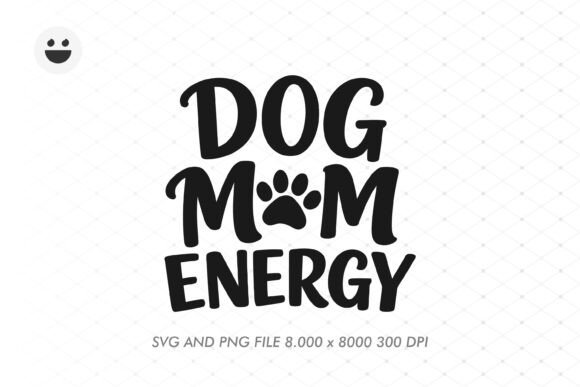
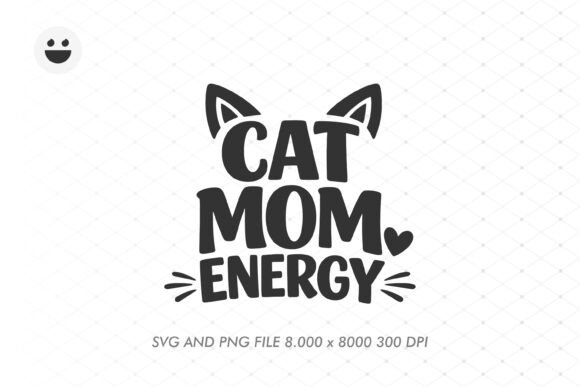
The product listing specifies that CAT MOM ENERGY comes as an 8,000 x 8,000 pixel SVG vector and 300 DPI PNG file. From a technical standpoint, starting with a vector source is ideal for creating a machine embroidery design. Vectors provide clean, mathematical lines that digitizing software can interpret without the jagged edges often found in low-resolution raster images. However, it is vital to remember that this is a digital graphic, not a pre-digitized embroidery file. You cannot simply load an SVG into your embroidery machine.
For those of us in the craft business or running an Etsy shop, this means you have total creative control over the stitch type. You can choose to render the text in a dense satin stitch for a premium, raised look, or opt for a running stitch if you want a vintage, distressed aesthetic. The high resolution ensures that when you import this into your digitizing software, you won't be guessing at curves or serifs. This clarity is essential when designing for commercial embroidery projects where professionalism dictates customer trust. If the lettering looks muddy in your software preview, it will look disastrous on a sweatshirt. Fortunately, the crispness of this source file supports precise node editing, allowing you to optimize stitch paths and reduce jump stitches before you ever thread a needle.
Real-World Application: The Heavyweight Sweatshirt Test
To truly evaluate this design, I mentally placed it in a real-life production scenario: creating a heavyweight cotton sweatshirt for a boutique holiday collection. In this context, CAT MOM ENERGY serves as more than just decoration; it is a statement piece intended to resonate with a specific niche audience. The layout suggests a centered chest placement or a larger back print, both of which are trending in current T-shirt designs and apparel graphics.
When stitching this onto fleece or French terry, the fabric texture becomes a variable. These fabrics have a pile that can swallow thin stitches. Because the source art is bold, it allows for wider column widths in the satin stitch elements, which helps the design sit on top of the fabric rather than sinking in. I envision pairing this with a contrasting thread color—perhaps a cream stitch on a forest green garment—to maximize readability. For a handmade product like this, the "Cat Mom" demographic values authenticity. A slightly thicker stitch density adds a tactile quality that screen printing cannot replicate, justifying a higher price point for your small shop product.
Navigating Fabric Limitations and Hoop Constraints
While the design is versatile, there are specific scenarios where caution is required. Not every fabric is suitable for bold typography. If you plan to use CAT MOM ENERGY on lightweight baby clothes or stretchy jersey knits, you must adjust your approach. Large, dense fill areas or wide satin stitches can cause puckering on thin fabrics, distorting the garment and ruining the professional finish. In these cases, consider using the PNG file to create a printable mockup for a heat transfer vinyl alternative, or significantly lighten the stitch density and use a water-soluble topping to maintain clarity.
Hoop size is another practical constraint. While the digital file is massive, your physical hoop is not. Before committing to a project, confirm that the aspect ratio fits your largest available hoop without requiring excessive resizing that might distort the letterforms. If you are making an embroidered patch, the design may need to be simplified. Tiny interior details in the letters could get lost when scaled down to a 3-inch patch size. Always test the design on scrap fabric first. Check thread color contrast against both light and dark backgrounds, as some colors vibrate visually and make text hard to read. This step is non-negotiable for maintaining brand consistency and avoiding wasted materials.
Commercial Viability and Product Value
For Etsy sellers and creative entrepreneurs, the value of CAT MOM ENERGY extends beyond the stitch-out. The inclusion of high-resolution PNG files at 300 DPI makes this asset incredibly useful for marketing. Before you even stitch a sample, you can create professional digital previews for your listings. Buyers respond better to clear, well-lit mockups than to dark photos of unfinished hoops. Using the provided vector file, you can also create matching merchandise, such as tote bag designs or mugs, ensuring your brand assets remain consistent across different mediums.
However, a critical note for any business owner: always verify licensing. The description mentions "Unlimited prints," which typically refers to physical end products. It does not automatically grant permission to resell the digital embroidery file itself or to share the digitized version with other makers. Respecting intellectual property protects your business reputation. Furthermore, while the instant digital download offers convenience, ensure you have a secure backup system. Losing access to your core design assets can halt production during peak seasons like the holidays.
Designer Notes for Optimal Results
To get the most out of this graphic for your embroidery projects, keep these practical tips in mind:
- Digitize with Purpose: Do not rely on auto-digitizing features. Manually map out the stitch direction to follow the natural flow of the lettering. This prevents torque issues where the fabric pulls diagonally.
- Stabilizer Selection: For stable fabrics like canvas tote bags, a medium-weight cutaway stabilizer usually suffices. For stretchy apparel used in personalized gifts, always use a fusible no-show mesh to prevent distortion during wear and washing.
- Thread Contrast Testing: Print the design in black and white before stitching. If you cannot read the text clearly in grayscale, the thread contrast on fabric will likely be insufficient regardless of color choice.
- Mockup Strategy: Use the 300 DPI PNG to create realistic placement guides. Show customers exactly where the design sits on a shirt or apron. This reduces returns and increases buyer confidence.
- Washability Check: If selling items that require frequent laundering, such as kitchen towels or baby bibs, ensure your stitch density is balanced. Too dense, and the fabric becomes stiff; too sparse, and the design unravels. Test wash a sample to verify durability.
Ultimately, CAT MOM ENERGY is a strong foundational graphic for apparel decorators and makers. Its bold aesthetic aligns perfectly with current trends in niche fashion, and the high-quality source files provide the flexibility needed for professional digitizing. By treating this as a raw material rather than a finished solution, and by applying rigorous testing to your specific substrates, you can transform this digital download into a best-selling embroidered product that resonates authentically with your customers.