Baseball Mom Proud Fan Design: A Stitch Test Review
When evaluating a new machine embroidery design for my shop, I look past the digital preview and immediately imagine how it will behave under the needle. The Baseball Mom Proud Fan Design caught my eye not just because of its seasonal relevance, but because typography-based sports graphics are a staple in the custom apparel market. As a designer who frequently creates merchandise for team moms and youth leagues, I approached this graphic with a critical eye toward stitchability, fabric compatibility, and commercial viability. This review breaks down my practical assessment of using this design in real-world production scenarios.
First Impressions and Visual Hierarchy
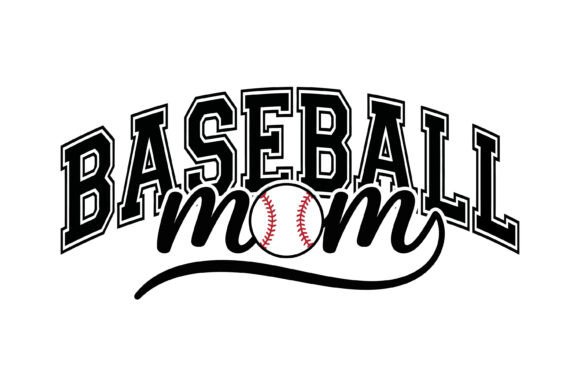
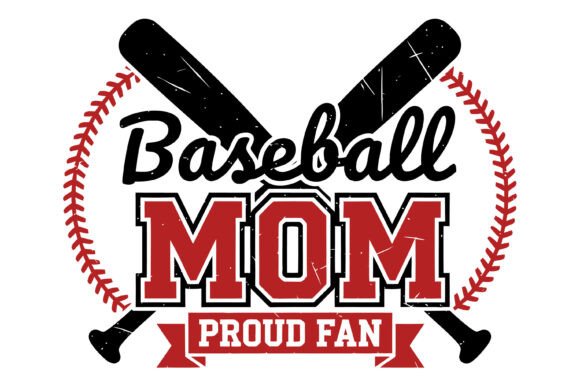
My initial reaction to the Baseball Mom Proud Fan Design was that it possesses a clean, confident aesthetic. The layout balances bold lettering with thematic elements without becoming cluttered. For an Etsy seller or boutique owner, this visual clarity is essential. When customers browse listings on mobile devices, intricate details often get lost, but strong silhouettes and readable text convert sales. The design feels modern rather than dated, which is crucial when targeting current sports parents who want stylish gear rather than generic fan wear.
The composition suggests it would work beautifully as a center chest placement on a sweatshirt or a full-back design on a t-shirt. However, as a reviewer, I always consider versatility. While categorized under T-Shirt Designs, the structure of this graphic implies it could easily transition into a tote bag design or even a patch. The negative space is well-distributed, which typically translates to better stabilization during hooping and less distortion on stretchy knits.
Real-World Application: The Custom Sweatshirt Test
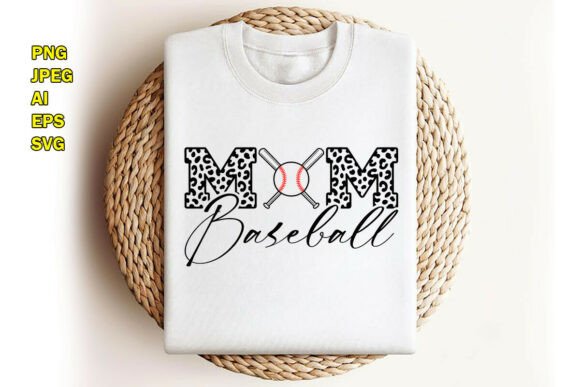
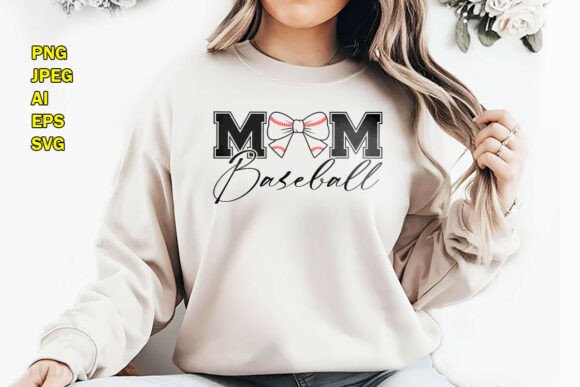
To truly evaluate this asset, I mentally walked through a recent client project involving custom crewneck sweatshirts for a travel baseball team’s mothers. In this scenario, the Baseball Mom Proud Fan Design needs to perform on medium-weight cotton fleece. This fabric has a slight nap and stretch, making it a common challenge for sweatshirt embroidery.
In this specific use case, the design’s typography is the hero. If the letters are intended as satin columns, they provide a classic, raised texture that screams quality. If they are fill stitches, they offer a softer hand and faster run time. Based on the provided file formats (SVG, EPS, AI), this is primarily a vector graphic asset. For embroidery professionals, this means you have the flexibility to digitize it specifically for your target fabric. I would recommend digitizing the main text elements with a slightly wider column width to prevent thread breaks on fleece and ensuring adequate underlay to stabilize the fabric texture before the top stitches lay down.
For the "Proud Fan" element, if it includes smaller accent graphics like stitching lines or small icons, these must be tested rigorously. On a sweatshirt, tiny running stitches can sink into the pile. A successful finished product requires adjusting the pull compensation so the final embroidered result matches the crispness of the digital proof.
Fabric Compatibility and Stabilization Strategy
Not every embroidery project uses stable woven fabrics. As makers, we often face requests for performance wear, baby items, or textured towels. Here is how I assess the Baseball Mom Proud Fan Design across different substrates:
- Performance Knits and Stretchy Fabric: Sports moms often prefer moisture-wicking tees. This design requires a cut-away stabilizer and potentially a fusible no-show mesh to prevent puckering. Because the design likely relies on horizontal text lines, stretching the fabric during hooping will cause warping once removed from the hoop. Always float or adhere the garment without distorting the grain.
- Baby Embroidery and Onesies: If scaling this down for infant sizes, caution is necessary. Complex typography loses legibility below certain sizes. For baby embroidery, I would simplify the design, perhaps removing secondary accents and keeping only the core "Baseball Mom" or "Proud Fan" text in a single needle run to reduce bulk against sensitive skin.
- Caps and Curved Surfaces: This design could work as a cap logo, but only if the vertical height fits within a standard cap frame (usually 2.25 inches). Text must be arched properly; flat text on a curved bill looks unprofessional. Verify the aspect ratio before committing to headwear production.
- Kitchen Towels and Tea Towels: These make excellent personalized gift items. The design’s bold nature suits the coarse weave of terry cloth or flour sack towels. Use a water-soluble topping to keep the stitches from sinking into the loops, ensuring the message remains crisp after washing.
Commercial Viability for Makers and Sellers
For those running a craft business or selling on platforms like Etsy, the value of a design lies in its adaptability. The inclusion of editable AI and EPS files alongside standard SVG and PNG formats is a significant advantage. It allows you to customize the color palette to match specific team colors without losing resolution. This level of customization increases perceived value and justifies higher price points for small shop product listings.
Furthermore, the transparent PNG and JPEG files serve as excellent assets for creating printable mockup images. Before I even thread my machine, I can overlay the design onto blank apparel photos to test market interest. If the Baseball Mom Proud Fan Design generates engagement in a social media poll or listing preview, I know it is worth the time to digitize and stitch out. This workflow minimizes waste and aligns production with actual buyer demand.
However, a word of caution regarding licensing: Always verify the specific terms included with your download. While the files are editable, confirm whether you are licensed to sell the digital embroidery file itself or only physical finished goods. Protecting your business means respecting intellectual property boundaries while maximizing the utility of your purchased assets.
Technical Considerations and Designer Notes
Before loading this design into your machine or sending it to a contract digitizer, consider these practical checkpoints derived from years of production experience:
- Test Stitch on Scrap Fabric: Never run a new design directly on a customer’s garment. Hoop a scrap of the exact material you intend to use. Check for registration issues between color changes and ensure the stitch density isn't causing fabric distortion.
- Thread Color Contrast: Test the design in both high-contrast (white on navy) and low-contrast (navy on black) combinations. Some details visible in the digital file may disappear when stitched in similar tones. Adjust density or add outline stitches if visibility is compromised.
- Hoop Size Verification: Measure the design dimensions after any resizing. Ensure it fits comfortably within your largest available hoop with at least a half-inch margin for clamps. Over-stretching stabilizer to fit a borderline design leads to poor tension and misalignment.
- Wash Testing: If producing items for frequent laundering like holiday embroidery gifts or team uniforms, wash and dry your test swatch. Typography edges can fray if not properly locked. This step ensures your handmade product maintains professional integrity over time.
- Digital Asset Management: Since you receive multiple formats, organize them logically. Keep the AI/EPS files as your master source for modifications, the SVG for cutting machines or sublimation hybrids, and the PNG/JPEG for web listings. Efficient file management speeds up fulfillment during peak sports seasons.
Final Verdict on Production Value
The Baseball Mom Proud Fan Design represents a solid foundation for a variety of commercial embroidery and personal projects. Its strength lies in its clear communication and adaptable style, making it suitable for everything from high-volume team orders to bespoke boutique pieces. By treating this graphic as a starting point rather than a rigid template, and by applying proper stabilization and digitizing techniques for your specific substrate, you can elevate a simple concept into a premium product.
Remember that successful embroidery is about the marriage of digital art and physical mechanics. Whether you are creating a custom apparel line for a local league or expanding your Etsy inventory with seasonal sports gear, taking the time to understand how this design interacts with fabric will determine your success. Trust your test stitches, respect the material limitations, and let the quality of your execution showcase the potential of this versatile design asset.